
In recent years, organic farming has gained momentum as more people question the long-term effects of chemical-laden agriculture. Whether driven by environmental concerns, health awareness, or food safety, the global shift toward organic methods is no longer a fringe movement—it’s a growing necessity.
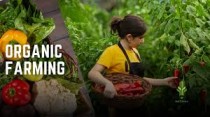
What is Organic Farming?
Organic farming is an agricultural system that emphasizes natural processes and inputs over synthetic chemicals. This approach relies on crop rotation, composting, green manure, and biological pest control instead of pesticides, herbicides, and synthetic fertilizers.
Key principles of organic farming include:
-
Soil health preservation
-
Biodiversity enhancement
-
Natural pest control
-
No genetically modified organisms (GMOs)
-
Sustainable resource use
Benefits of Organic Farming
-
Healthier Food
Organic produce contains fewer pesticide residues and no synthetic additives. While the nutritional difference is debated, the absence of chemicals offers peace of mind. -
Environmental Sustainability
Organic methods protect water sources, improve soil fertility, and promote biodiversity. These practices help combat climate change by reducing greenhouse gas emissions and encouraging carbon sequestration. -
Improved Soil Health
Healthy soil is central to organic farming. The use of compost, cover crops, and crop rotation builds rich, living soil that supports robust plant growth. -
Animal Welfare
In organic livestock farming, animals are raised in more humane conditions with access to outdoor space and without routine antibiotics or growth hormones. -
Economic Opportunities
With rising demand for organic products, organic farming opens new markets and can offer premium prices to farmers.
Challenges in Organic Farming
-
Lower Yields
Organic farms often produce lower yields than conventional farms, especially in the early years of transition. -
Labor-Intensive Practices
Without chemical shortcuts, organic farming requires more hands-on management, from weeding to pest control. -
Certification Costs
Becoming certified organic can be costly and bureaucratically complex, which may deter small-scale farmers. -
Market Access and Infrastructure
Many farmers struggle with accessing organic markets or lack local infrastructure to process and transport their goods efficiently.
Why Organic Matters Now
With climate change, soil degradation, and biodiversity loss threatening the future of food security, organic farming offers a more sustainable path forward. It’s not a silver bullet, but when integrated with regenerative and climate-smart practices, it can be a powerful tool for resilient agriculture.
Conclusion
Organic farming represents more than just a way to grow food—it reflects a broader philosophy of respect for nature, sustainability, and health. As consumers, every organic purchase we make is a vote for cleaner soil, safer food, and a better planet.